
Summer Training Apparel: What UK Athletes Actually Need for Hot Weather Workouts
Summer transforms training fundamentally. The weather is warmer. The days are longer.Motivation increases. However, your clothing demands change significantly.Regular performance wear engineered for year-round training doesn't maximise summerconditions. Summer training apparel prioritises heat management above almost everything else. Understanding what changes allows you to train more effectively and comfortably through warm months. Why Summer Training Demands Different Clothing Temperature is only part of the change. Summer introduces several interconnected challenges regular performance wear doesn't address optimally.Heat accumulation becomes the primary concern. Your body generates significant heat during training. In summer, external temperature adds to this internal heat production. Without proper clothing management, core temperature rises excessively, causing fatigue and reduced performance.Sweat production increases dramatically in summer heat. Your body produces more sweat trying to cool itself. Clothing must manage this increased moisture load more effectively than yearround wear.Humidity compounds both problems. UK summer humidity reduces evaporation efficiency, the primary mechanism your body uses to cool itself. Moisture stays on your skin longer, further reducing cooling effectiveness.Finally, sun exposure creates additional heat and UV damage concerns, especially for outdoor training.Year-round performance wear handles these adequately for autumn through spring. Summer conditions demand optimised solutions. Summer Performance Apparel Essentials Lightweight construction becomes absolutely critical. Every extra gram of fabric weight traps heat. Summer apparel should weigh under 130 GSM, substantially lighter than year-round options.Maximum breathability is essential. Ventilation must be unrestricted to allow heat dissipation. Look for mesh construction and minimal coverage prioritising airflow.Superior moisture management handles increased sweat production. Fabrics must move sweat rapidly across surface and allow quick evaporation. Standard moisture-wicking becomes insufficient during intense summer training.Strategic layering becomes minimal. During winter, multiple layers manage temperature.Summer requires single lightweight pieces you can remove or adjust as temperature changes.Colour selection matters more in summer. Light colours reflect heat rather than absorbing it. Dark colours absorb solar radiation, increasing heat load. Light neutral tones work best.Fit should be athletic but slightly looser than year-round wear. This allows better air circulation around your body without creating drag. Find the balance between fitted enough for movement support and loose enough for ventilation. Summer Training by Activity Type Outdoor running and cardio require maximum breathability and UV protection. Choosesleeveless or minimal sleeve tops allowing maximum airflow. Lightweight shorts in light colours work best. Consider a lightweight hat for sun protection.Gym strength training indoors demands slightly more structured support but still prioritises breathability. You can layer slightly more than outdoor training since indoor gym temperatures remain stable. Lightweight performance shorts and breathable tops work well.Outdoor racket sports (tennis, padel) require maximum ventilation and UV protection.Lightweight clothing allowing full rotational movement is essential. Light colours reduce heat absorption. Frequent water breaks become critical.Water-based activities (open-water swimming, beach training) require quick-dry fabrics that don't become heavy when wet. Technical fabrics work better than natural fibres here.Mixed training sessions should prioritise the most intense component. If your session isprimarily cardio, prioritise maximum breathability. If predominantly strength, choose slightly more structured wear. Hydration and Temperature Management Strategy Clothing is only part of summer training success. Hydration becomes absolutely critical.Drink before you feel thirsty. Summer heat increases dehydration rate significantly. By the time thirst signals, you're already partially dehydrated.Choose electrolyte solutions rather than plain water for sessions exceeding 45 minutes. These replace sodium lost through increased summer sweat and maintain hydration more effectively.Adjust training intensity in extreme heat. Your body can only dissipate so much heat regardless of clothing. On extremely hot days, reduce intensity rather than pushing maximum effort in dangerous conditions.Train during cooler parts of the day when possible. Early morning or evening training is safer and more comfortable than midday sessions.Cool down actively. Don't stop training and immediately sit down. Continue moving gentlywhilst your body gradually returns to resting temperature. This improves recovery and regulates temperature more effectively. Building Your Summer Training Wardrobe Start with one ultra-lightweight breathable top in a light colour. Test it through multiple sessions before expanding. This establishes your baseline for summer performance wear.Add lightweight shorts designed for summer training. Look for moisture-wicking fabrics in light colours. Avoid cotton entirely.Include a lightweight hat if training outdoors. This reduces sun exposure and helps regulate temperature by allowing heat dissipation from the head.Minimal layering is needed. A very lightweight jacket for cool mornings that you'll remove as temperature increases works well. Avoid anything designed for actual warmth.Consider a lightweight long-sleeve top for outdoor training to manage sun exposure. Modern technical fabrics provide UV protection whilst remaining breathable.Build slowly with pieces tested through multiple sessions. Summer-specific wear is often worth purchasing fresh rather than repurposing year-round options. Maintenance and Care for Summer Wear Summer sweat produces different challenges than cooler season training. Minerals in sweat accumulate in fabric during summer more rapidly.Rinse with fresh water immediately after training, before dried sweat mineral residue sets. This prevents salt buildup that reduces moisture-wicking effectiveness.Wash in cold water with mild detergent. Avoid fabric softener entirely. Air dry when possible.Replace summer-specific wear more frequently than year-round options. Intense summer use accelerates wear. Expect 150 to 250 wears before replacement becomes necessary, versus 250 to 350 for year-round wear.Store clean and dry between seasons. If storing until next summer, ensure completely dry to prevent mildew development during off-season storage. Summer Safety Considerations Heat illness becomes a genuine risk during intense summer training. Know the warning signs: excessive fatigue, dizziness, headache, or inability to cool down.Stop training immediately if these symptoms develop. Move to cool location, drink fluids, and rest. Seek medical attention if symptoms persist.Prevent heat illness through sensible preparation. Acclimate gradually to summer heat over 10 to 14 days. Reduce intensity initially. Build back up as your body adapts to heat stress.Use sun protection for outdoor training. UV damage compounds heat stress. Choose UVprotective fabrics (modern technical wear provides this) and apply sunscreen to exposed skin.Avoid training during extreme heat waves. British summer heat is usually manageable, butduring rare extreme heat events, skip intense training or move indoors. Seasonal Transition Strategy As summer approaches, gradually transition into summer-specific wear. Don't switch entirely overnight. Blend year-round and summer apparel for several weeks allowing adaptation.As summer ends in September, gradually reintroduce heavier fabrics. This helps your bodyreadjust to cooler conditions without shock.Seasonal transitions should be gradual, mirroring how your body naturally acclimatises totemperature changes. FAQs Q: Can you wear regular year-round performance wear in summer?A: Yes, it functions adequately. However, summer-optimised clothing dramatically improves comfort and performance. Year-round wear feels unnecessarily warm during intense summer training. Q: What colour is actually best for summer training? A: Light colours reflect heat rather than absorbing it. White, light grey, and light blue work best. Dark colours absorb solar radiation, significantly increasing heat load. Q: How often should you replace summer training wear? A: Summer's intensity and heat cause faster wear. Expect replacement every 6 to 8 months with regular training, versus 12 to 18 months for year-round wear. Q: Is UV-protective fabric necessary for summer training? A: Not essential, but valuable for outdoor training. Modern technical performance wear typically includes basic UV protection. Extra-high UV protection adds minimal cost. Q: Can you layer summer performance wear? A: Minimal layering works for cool mornings you'll remove later. However, summer wear is optimised for single-layer use. Layering reduces its advantages.
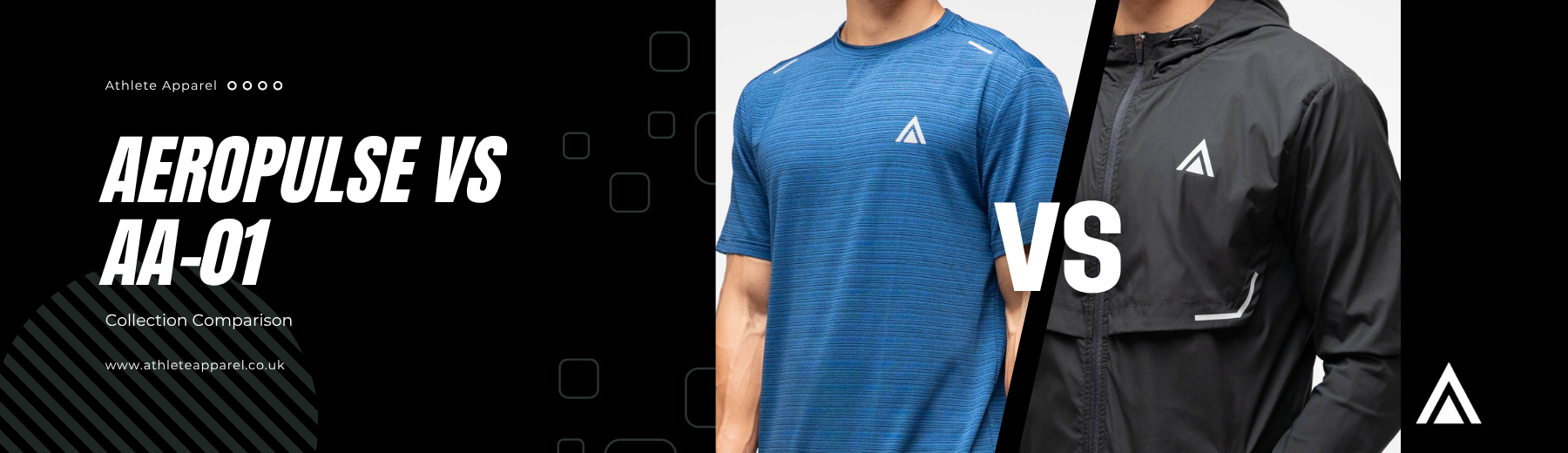
AeroPulse vs AA-01: Which Athlete Apparel Collection Should You Choose?
You've decided on Athlete Apparel. Now comes the actual decision: AeroPulse or AA-01?Both collections deliver genuine performance benefits, but they're engineered differently for different priorities. Understanding these differences helps you choose the collection that matches your training style and budget rather than guessing between options. AeroPulse Collection Overview AeroPulse represents Athlete Apparel's premium performance line. It's engineered around aerodynamic design and advanced fabric technology, targeting serious athletes prioritising performance above all else.The collection uses engineered mesh construction with strategic ventilation zones. These aren't random aesthetic decisions. Mesh is positioned where your body generates most heat: underarms, across the back, and along the sides. This creates maximum breathability exactly where it matters most.AeroPulse fabrics are heavier than AA-01 (approximately 170 GSM), providing more structure and coverage. This makes them slightly warmer, which some athletes prefer for temperature control during varying intensity sessions. The extra weight comes from denser weave construction, not reduced performance.The aesthetic is minimalist, technical, and designed to look professional without flashy branding. Colour options focus on neutral performance tones.Pricing sits at the premium end ofAthlete Apparel's range, reflecting the advanced construction and materials.AeroPulse works best for athletes who: Train in varied intensity settings requiring layering versatility Appreciate structured fit over minimal coverage Prioritise long-term durability over lowest cost Want slightly warmer feel despite breathability Value premium engineering and advanced design AA-01 Collection Overview AA-01 represents Athlete Apparel's core performance line. It's engineered around minimalist design and essential performance features, targeting athletes prioritising simplicity and value.AA-01 uses clean construction without excess fabric or unnecessary details. It's lightweight,typically 130 to 150 GSM, letting your body breathe without added heat managementcomplexity.The fabric blend is optimised for moisture-wicking and quick-drying. AA-01 doesn't layer as naturally as AeroPulse because it's designed to be the primary garment, not a foundation layer.Colour options range through practical training tones with subtle variations. Branding isminimal.Pricing is significantly lower than AeroPulse, reflecting simpler construction without sacrificing core performance. AA-01 works best for athletes who: Train primarily at consistent high intensity (cardio, HIIT) Prefer minimal clothing with maximum breathability Want excellent value for core performance needs Train indoors or in warm conditions regularly Don't need layering versatility Feature-by-Feature Comparison Weight and Breathability: AA-01 is lighter and maximally breathable. AeroPulse providesstructured breathability through strategic mesh. For hot environment training, AA-01 wins. For temperature control versatility, AeroPulse wins.Fit and Coverage: AA-01 is a minimal, almost athletic-cut tank top style. AeroPulse offers more shoulder coverage and structured fit. For maximum movement, AA-01 allows slightly more freedom. For preferred coverage, AeroPulse is better.Moisture-Wicking: Both manage sweat effectively through quality polyester construction. AA01 disperses moisture faster due to its lighter weight. AeroPulse manages moisture through engineered mesh zones. Performance difference is minimal in actual use.Durability: AeroPulse's denser construction lasts slightly longer, approximately 250 to 350wears. AA-01 lasts 200 to 300 wears. Both exceed standard gym wear significantly. Real-world difference is less than one year.Layering Capability: AeroPulse layers excellently with lightweight jackets. Its structure sits well under outer layers. AA-01 is minimal, making layering less natural. This matters only if you layer regularly.Price: AA-01 costs approximately 35 to 40 per cent less than AeroPulse. For budget-conscious athletes, this is significant.Aesthetics: AeroPulse looks more premium and technical. AA-01 looks clean and minimal. This is purely personal preference. Which Collection for Your Training Type Strength Training and Heavy Lifting: AeroPulse edges ahead because its structure provides confidence during heavy pressing movements. The extra coverage and structured fit work well under loaded conditions. However, AA-01 performs adequately if the budget is the primary concern.HIIT and Intense Cardio: AA-01 is superior. Its lightweight construction and maximumbreathability excel during sustained high-intensity efforts. The minimal design prevents any heat accumulation concerns. AeroPulse is warmer than necessary for this training.Outdoor Training: AeroPulse layers better with jackets for warm-ups and cool-downs. If you train outside in varying conditions, AeroPulse's versatility is valuable. AA-01 works but offers less flexibility.Mixed Training (Strength plus Cardio): AeroPulse provides a better compromise. Its structure suits strength work whilst its breathability handles cardio sufficiently. AA-01 is less ideal for mixed protocols because minimal design prioritises cardio over strength support.Racket Sports: Both work, but AA-01's lightweight construction suits racket sports movement patterns better. The minimal design allows unrestricted shoulder rotation and lateral movement. AeroPulse's structure can feel slightly restrictive during explosive racket movements. Value Analysis: Cost per Wear Cost per wear analysis reveals durability's real impact of durability on value.AA-01 at £35 worn 250 times equals 14 pence per wear. AeroPulse at £60 worn 300 times equals 20 pence per wear.This seems to favour AA-01 until training frequency increases. For athletes training 5 to 6 days weekly, AeroPulse's longer lifespan matters significantly over 12 months.If training 3 days weekly, AA-01 provides better overall value. If training 5+ days weekly,AeroPulse's durability reduces total cost despite a higher initial price.Consider your realistic annual training frequency when evaluating value. Real-World Performance Comparison Both collections perform genuinely well during training. The differences are subtle rather than dramatic.During a 45-minute HIIT session in a warm environment, AA-01 feels slightly cooler due tolighter weight. AeroPulse feels slightly more structured and supported.During strength training, AeroPulse's structure provides subtle additional confidence. AA-01 performs adequately, though some athletes prefer its simplicity.For casual training, both work excellently. For professional-level effort, AeroPulse's engineered design provides marginal performance advantages justifying its premium cost. Our Recommendation: How to Choose Choose AeroPulse if you: Train in mixed intensity sessions Prefer layering versatility Train 5+ days weekly Value premium engineering Can justify premium cost Choose AA-01 if you: Train primarily with high intensity Prefer minimal clothing Train 3 or fewer days weekly Prioritise value Want maximum breathability If still uncertain, start with AA-01. It delivers genuine core performance at accessible cost. You can always add AeroPulse later once you understand your specific training preferences. FAQs Q: Can you layer AeroPulse and AA-01 together? A: Yes, AeroPulse works well as a foundation layer with AA-01 over it for temperature management. AA-01, as a foundation is less ideal because minimal design shows under the outer layers. Q: Which lasts longer in actual training? A: AeroPulse lasts marginally longer, approximately 12 to 18 months of regular training versus 10 to 14 months for AA-01. Real-world difference depends heavily on training frequency. Q: Is AeroPulse's premium cost actually justified? A: For athletes training 5+ days weekly in mixed conditions, yes. The durability and layering versatility provide real value. For 3-day weekly training, AA-01 provides better cost efficiency. Q: Can beginners wear either collection? A: Absolutely. Both are appropriate for any training level. AA-01 is fine whilst developing your training preferences. Upgrade to AeroPulse later if specific needs justify it. Q: Do both collections work equally well for racket sports? A: AA-01 is slightly better due to lightweight construction and minimal design. AeroPulse works adequately, but its structure can feel slightly restrictive during explosive racket movements.
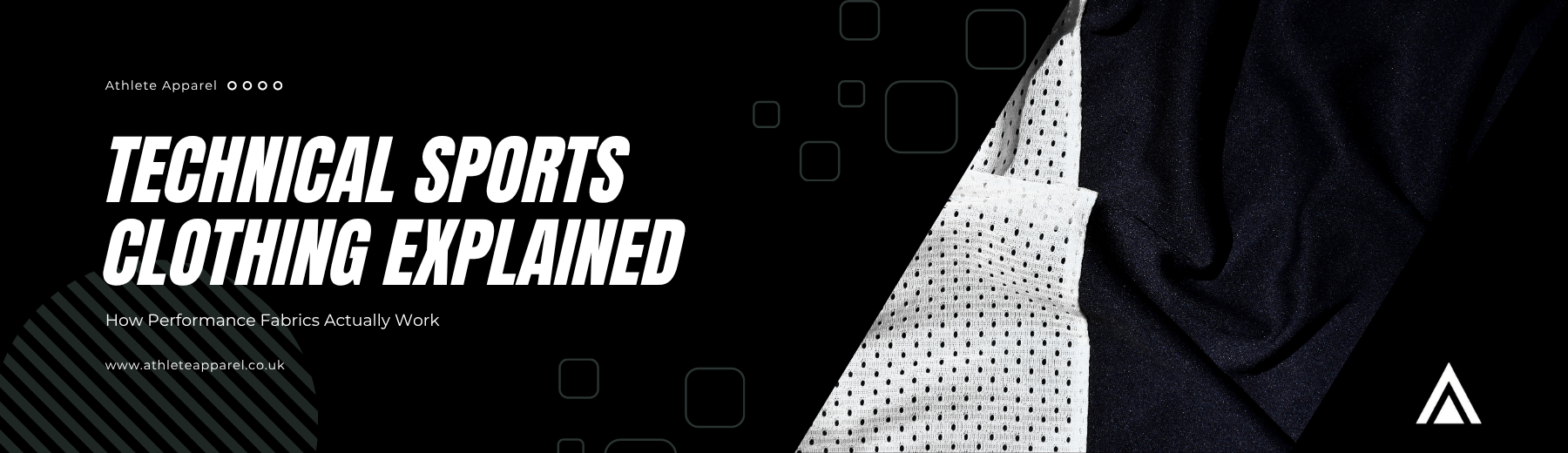
Technical Sports Clothing Explained: How Performance Fabrics Actually Work
Most athletes understand that technical clothing works better than regular gym wear. Theynotice the difference during their first intense session. What fewer people understand is why and ow it actually works.Technical fabrics aren't marketing hype. They're engineered solutions to specific problems your body creates during exercise. Understanding this transforms how you evaluate clothing options and why some garments genuinely outperform others. What Exactly Is Technical Sports Clothing? Technical sports clothing is engineered specifically for athletic performance. Unlike regularclothing designed primarily for comfort and aesthetics, technical wear prioritises how your body functions during intense physical effort.The core definition involves synthetic fibres engineered to manage moisture, regulatetemperature, support movement, and withstand repeated training stress. These fabrics usepolyester, elastane, and specialised weaves rather than natural fibres like cotton or wool.The distinction matters enormously. Cotton absorbs approximately 27 per cent of its own weight in water before feeling wet. Polyester-based technical fabrics repel water entirely, allowing sweat to move across the surface rather than being absorbed. This single property changes everything about how clothing performs during training. The Science Behind Moisture-Wicking Moisture-wicking sounds simple. Your body sweats, and the fabric moves sweat away. The actual process involves physics most athletes never consider.When you exercise, your body releases sweat to cool your core temperature. Traditional fabrics like cotton absorb this moisture. The water molecules bond with cotton fibres, becoming trapped in the fabric. The shirt becomes wet, heavy, and clings to your body, reducing breathability and trapping heat.Technical fabrics work differently through a property called hydrophobic repulsion. Polyester fibres don't attract water molecules. Instead, they repel them. Your sweat doesn't sink into the fabric. It spreads across the surface.Once sweat spreads across fabric surface, capillary action takes over. This is the same physics that allows a sponge to draw water upward against gravity. Moisture moves across the fabric surface toward edges and ventilation areas where it can evaporate.This process keeps three things happening simultaneously. First, moisture moves away from your skin, maintaining skin contact with dry fabric. Second, sweat evaporates from the fabric surface rather than being trapped against your body. Third, heat dissipates through evaporation, actively cooling your body rather than trapping heat.The result is a dramatically different performance compared to cotton during exercise. Key Materials in Technical Fabrics Polyester forms the foundation of almost all technical athletic wear. This synthetic fibre has properties perfectly suited to sports use.Polyester repels water, preventing sweat absorption. It dries quickly once moisture evaporates. It resists pilling and damage from repeated wear and washing. It holds colour well. It's durable through hundreds of wears. For these reasons, polyester dominates technical apparel.Elastane (also called spandex or lycra) provides stretch and recovery. This fibre stretchessubstantially further than cotton or polyester alone, then snaps back to original shape. During intense movement, elastane allows your clothing to flex fully with your body. When you relax, it recovers instantly. This prevents the saggy, stretched-out appearance that regular gym wear develops.Most technical wear uses 12 to 20 per cent elastane blended with polyester. Higher percentages provide more stretch but reduce durability. Lower percentages feel less stretchy but last longer. Optimal ratios balance both benefits.Mesh construction creates ventilation zones. Rather than solid weave, mesh uses open-pattern construction with intentional gaps. This allows air circulation through specific areas like underarms, across the back, and around the torso. Mesh provides breathability withoutsacrificing coverage. How Technical Fabrics Compare to Regular Cotton The comparison is stark once you understand how each performs during exercise.Cotton absorbs sweat immediately, becoming progressively heavier throughout your session. After 30 minutes of intense training, cotton clothing is noticeably damp and uncomfortable. The weight increases, restricting movement. Heat becomes trapped, making your body work harder to cool itself.Technical fabrics keep sweat moving across the surface and evaporating. You remain dry against your skin throughout the session. The fabric stays light, supporting rather than restricting movement. Heat dissipates efficiently, keeping core temperature manageable.For casual wear, cotton is fine. For training, technical fabrics vastly outperform it.The durability difference is equally significant. Cotton gym wear typically lasts 50 to 100 wears before stretching out, losing shape, or developing permanent odour. Technical fabrics last 200 to 400 wears or more. Cost per wear dramatically favours technical clothing, especially for serious athletes training regularly. Breathability and Temperature Regulation Breathability is often misunderstood. Many people assume it means how well air passes through fabric. It's more complex than that.True breathability involves three elements. First, how easily air passes through the material (air permeability). Second, how efficiently moisture evaporates from the surface. Third, howEffectively, the fabric's construction distributes heat away from your body.Technical fabrics excel at all three. Their construction allows air circulation. Their moisture-wicking properties enable rapid evaporation. Their specially engineered weaves distribute heat effectively through ventilation zones.Temperature regulation works through several mechanisms. Evaporative cooling (sweatevaporating from fabric surface) actively cools your body. Reduced fabric weight allows better air circulation around your body. Moisture not being trapped means heat doesn't accumulate. Combined, these maintain optimal core temperature during intense training. Advanced Fabric Technologies Beyond basic polyester and elastane, manufacturers develop specialised technologies forspecific performance needs.Silver-threaded fabrics incorporate silver nanoparticles providing antimicrobial properties.These inhibit bacterial growth that causes odour. This allows longer wear between washeswithout smell development.Compression fabrics use specially engineered weaves applying graduated pressure to muscles. This theoretically improves blood circulation and reduces muscle vibration during movement. Research on compression benefits is mixed, but many athletes report improved performance and reduced soreness.Temperature-regulating fabrics use phase-change materials that absorb excess heat when you overheat and release it when your core temperature drops. These are more common in cycling and running wear than gym apparel.Antimicrobial treatments beyond silver include copper compounds and other technologiesinhibiting bacterial growth. These extend the functional wear time between washes significantly.Most general performance gym wear uses standard polyester and elastane. Specialisedtechnologies add cost and may not benefit casual training substantially. Reading Technical Fabric Labels Understanding what manufacturers actually claim versus marketing hype requires knowinghow to read labels.Fabric composition percentage tells you the exact blend. For example, "88 per cent polyester, 12 per cent elastane" means exactly that ratio. Higher elastane percentages mean more stretch, lower means more durability.GSM (grams per square metre) indicates fabric weight. Lighter fabrics (under 150 GSM) work best for intense training. Heavier fabrics (over 200 GSM) provide more coverage but trap heat more easily.Care label instructions matter significantly. Avoid fabric softener, which coats fibres anddamages moisture-wicking. Cold water and gentle cycles preserve fabric properties longer.Performance certifications from testing organisations indicate the fabric has been independently tested and verified for specific properties. These are more reliable than marketing claims alone.Learning to read labels helps you evaluate whether clothing actually contains engineeredperformance properties or relies primarily on marketing. FAQs Q: Is 100 per cent polyester better than polyester blends? A: No. 100 per cent polyester lacks the stretch and comfort of elastane blends. 88/12 polyester to elastane ratio balances performance and durability optimally.Q: How does elastane affect clothing durability? A: Higher elastane percentages stretch more but fatigue faster, reducing lifespan. Lower percentages last longer but feel less stretchy. 12 per cent elastane provides optimal balance.Q: Why do technical fabrics sometimes smell bad? A: When washed with fabric softener or not cleaned properly, bacteria accumulate despite moisture-wicking properties. Always wash in cold water without softener after every session.Q: Can technical fabrics be damaged by heat? A: Yes. High heat damages elastane and polyester. Air dry whenever possible. If machine drying is necessary, use low heat only. Q: What percentage of elastane is too much in athletic clothing? A: Beyond 20 per cent elastane, durability drops significantly whilst stretch benefits plateau. 12 to 18 per cent represents the optimal range for training wear.
Gym Wear for Intense Training: What High-Performance Athletes Actually Need
Regular gym wear fails spectacularly during intense training. Twenty minutes into a demanding HIIT session, you'll notice the difference. Cotton absorbs sweat and becomes heavy. Loose fabric restricts movement during explosive exercises. Poor breathability causes overheating and fatigue.Serious athletes recognise these limitations quickly and switch to clothing engineeredspecifically for high-intensity effort. The investment matters because intensity amplifies every weakness in standard gym wear. What doesn't matter at low intensity becomes critical when you're training hard. Why Intense Training Tests Your Clothing Intense training creates demands that regular gym sessions never reach. Your core temperature rises faster. Sweat production increases dramatically. Movement becomes explosive and dynamic. Your heart rate sustains at elevated levels throughout the session. Standard gym wear starts failing immediately. Cotton absorbs sweat instead of moving it away, creating increasing weight throughout the session. This affects your energy expenditure, body temperature regulation, and movement efficiency negatively. Loose clothing, comfortable for light training, becomes problematic during explosivemovements like burpees, kettlebell swings, or heavy compound lifts. Fabric movesindependently of your body, creating drag and distraction when precision matters most. Poor breathability causes core temperature to rise excessively. Your body works harder toregulate temperature instead of powering your training. Fatigue sets in faster than your fitness level actually demands. Performance clothing solves all three problems through engineered fabrics, athletic fits, and construction designed for how your body actually behaves under extreme effort. Critical Features for Intense Training Wear Lightweight construction matters immediately. Every extra gram affects movement efficiency during explosive efforts. Professional athletes choose fabrics weighing 130 to 150 GSM, substantially lighter than standard gym wear. Advanced moisture-wicking becomes essential. Light-to-moderate wicking works for casual training. Intense training demands fabrics that move sweat rapidly and completely across the surface rather than absorbing it. This keeps your body cool and prevents the fabric from becoming heavy. Superior breathability keeps core temperature manageable. Look for mesh panels in keyventilation areas, open weaves allowing air circulation, and construction prioritising airflow over coverage. Four-way stretch fabrics (stretching equally in all directions) support explosive movement.During heavy lifts or cardio intervals, your clothing must flex with your body without creating tension that restricts motion or causes bunching. Durability under extreme conditions matters more than casual training. Intense workouts create more wear and tear through sweat, heat, and movement stress. Quality fabrics maintain integrity through 250 to 350 wears of intense training. Finally, sweat management technology prevents overheating. This includes moisture-wicking fibres combined with a construction allowing sweat to disperse across fabric surface before drying. Training Type Breakdown: Clothing Needs Vary Strength training and heavy lifting demand different priorities than cardio. With strength work, movement is explosive and concentrated. You need excellent shoulder mobility for pressing movements, hip flexibility for squats and deadlifts, and overall freedom through the core. Choose slightly more structured performance tops that won't shift during lifting. Athletic-fit shorts with secure waistbands prevent movement-related distractions. Fabric should bebreathable but slightly heavier than cardio wear because movement is less sustained. HIIT and intense cardio demand maximum breathability and lightweight construction. Yourheart rate stays elevated throughout, generating intense sustained sweat. Minimal layeringworks best because heat accumulation becomes the limiting factor. Choose lightweight sleeveless or short-sleeved tops allowing maximum ventilation. Lightweight shorts with excellent breathability let air circulate continuously. Prioritise feeling cool over feeling covered because overheating directly impairs performance. Mixed training requires compromise. Choose fabrics lightweight enough for cardio but with enough structure for strength work. Most high-quality performance wear handles both well. The Science of Performance Fabrics Under Stress Polyester provides the foundation for intense training wear. Unlike cotton, polyester doesn't absorb water. Instead, it repels moisture, which is essential for sweat management. During intense training, your body can produce multiple litres of sweat per hour. Polyester-based fabrics prevent this from being absorbed into the cloth. Elastane adds stretch and recovery. This synthetic fibre stretches significantly further thannatural fibres and returns to original shape. During intense, explosive movements, elastaneallows your clothing to flex fully then snap back, supporting rather than restricting movement. Mesh construction uses specially engineered open weaves, creating ventilation zones without losing coverage. Strategic mesh placement under arms, across the back, and along the sides allows air circulation where your body produces most heat. Combined, these create fabric systems where sweat moves across the surface and dries through ventilation rather than being absorbed. This keeps your body cool, maintains movement freedom, and prevents the fabric from becoming heavy during the session. Common Mistakes During Intense Training Sessions Oversizing is the most common error. People assume larger clothing allows more movement. During intense training, oversized fabric creates drag and swings independently of your body, causing distraction and reducing movement efficiency. Layering too heavily creates overheating. Beginners often layer up, thinking more coverageequals more protection. During intense effort, this prevents heat dissipation and causes core temperature to rise excessively. Minimal strategic layering works far better. Choosing fashion over function leads to regret quickly. Style matters far less than how clothing actually performs when you're gasping for breath during a challenging set. Prioritise fabric, fit, and breathability entirely. Ignoring training type is another mistake. One outfit doesn't work optimally for strength, cardio, and mixed training. Consider your primary training focus and choose accordingly. Finally, some people ignore moisture management, assuming any breathable fabric worksequally. Quality matters enormously. Professional-grade moisture-wicking vastly outperforms basic breathable materials. Building Your Intense Training Wardrobe Start with one quality performance top in your primary training style. Test it through multiple sessions before expanding. This lets you experience how proper clothing actually performs. Add lightweight shorts matching your movement patterns. For strength training, choosestructured athletic fit. For cardio, choose maximum lightweight and breathability. Include one lightweight jacket for warm-ups and cool-downs. This need not be expensive, but it should be breathable and easily removable. Avoid cotton entirely. Include only polyester or polyester-blend fabrics. Even one cotton item dramatically reduces your kit's effectiveness. Build slowly. Quality performance wear is an investment that compounds through improved training quality over months and years. Maintaining Performance Wear for Longevity Wash after every intense session. Moisture-wicking fabrics only perform properly when clean. Dried sweat residue reduces effectiveness significantly. Use cold water and gentle cycles. Avoid fabric softener, which coats fibres and damagesmoisture-wicking properties. Air dry when possible to extend lifespan. Replace when elasticity decreases noticeably, seams separate, or moisture-wicking performance drops. With regular intense training, expect 12 to 18 months before replacement becomes necessary. Proper care extends fabric life substantially and maintains performance properties throughout the garment's functional lifespan. FAQs Q: Is expensive performance wear essential for intense training? A: Quality matters significantly. Poor-quality moisture-wicking fails during intense effort. Investment in proper performance clothing directly impacts training effectiveness and comfort. Q: How often should intense training wear be washed? A: After every session. Moisture-wicking fabrics perform optimally only when clean. Dried sweat residue accumulates and reduces effectiveness. Q: Can you wear the same outfit for strength training and cardio? A: High-quality performance wear works adequately for both, though specialised clothing performs better. If building one outfit, choose fabrics balancing strength training structure with cardio breathability. Q: What's the best way to prevent overheating during HIIT? A: Minimal layering, lightweight construction, and maximum breathability work best. Choose sleeveless or short-sleeved tops and avoid heavy fabrics. Ventilation matters more than coverage.Q: How do you know when performance wear needs replacing? A: When elasticity decreases noticeably, seams start separating, or moisture-wicking performance drops visibly. This typically occurs after 12 to 18 months of regular intense training.
Best Racket Sports Clothing UK: What Professional Players Actually Wear
Professional racket players don't choose their clothing by accident. Every piece serves a specific purpose during training. They need clothing that handles explosive movement, manages intense sweating, and stays comfortable through long sessions.If you play tennis, padel, or squash seriously, your clothing choices matter far more thanrecreational gym sessions. Racket sports compress high-intensity effort into lateral movement, constant direction changes, and sustained cardio. Regular gym wear fails quickly under these demands. Why Racket Sports Demand Different Clothing Racket sports involve movement patterns that regular training doesn't match. You're changing direction rapidly, rotating your shoulders for serves and swings, moving explosively across a confined space, and maintaining intensity for extended periods.These demands create specific clothing problems. Loose fabric gets in the way. Heavy material slows you down. Restricted fabric limits your swing. Poor breathability causes overheating in enclosed courts, especially during squash.Professional players solve this with engineered performance clothing designed specifically for these movement patterns. Beginners and casual players often don't realise this is even possible,so they train in regular gym wear and struggle unnecessarily. Key Features for Racket Sports Clothing Lightweight construction comes first. Every extra gram of fabric weight creates drag. During a long rally, this compounds. Professional players choose fabrics weighing 130 to 150 GSM1 (grams per square metre), well below typical gym clothing.Breathability is non-negotiable. Courts trap heat, especially indoor squash courts. Your clothing must allow constant air circulation. Mesh panels in key areas improve ventilation without reducing coverage.Stretch and mobility matter enormously. Your shoulders need full rotation for serves. Your hips need freedom for lateral movement. Your legs need flexibility for lunges and explosivedirectional changes. Fabric must provide this without feeling restrictive.Athletic fit keeps everything controlled. Loose clothing moves independently of your body. Tight clothing restricts movement. Athletic fit follows your body's lines while allowing complete freedom through shoulders, hips, and thighs.Finally, moisture management is critical. Racket sports generate consistent intense sweat.Clothing must move this away from your skin rapidly through moisture-wicking rather than absorbing it. Clothing Differences Between Tennis, Padel and Squash These sports aren't identical, and neither should your clothing be.Tennis demands lightweight tops and shorts allowing full movement and maximumbreathability. Players rotate constantly between baseline and net, requiring fabrics that keep pace with changing intensity. You'll wear performance shorts and a breathable top, typically with minimal layering.Padel requires similar clothing but allows slightly more structured fits because the court issmaller and movement more contained. Many players layer with a lightweight jacket for warmups. Breathable shorts and performance tops are standard.Squash is the most intense and demands maximum breathability. Indoor courts reach hightemperatures quickly. Clothing must prioritise ventilation above all else. Minimal layering works best because overheating becomes the primary problem.All three benefit from moisture-wicking fabrics and athletic fits, but the emphasis shifts slightly based on court conditions and movement patterns. What Professional Players Actually Wear Professional tennis players typically wear lightweight performance shorts (under 140 GSM),breathable moisture-wicking tops, and lightweight jackets for pre-match warm-ups. They choose brands that emphasise mobility and sweat management over style.Padel professionals follow similar patterns but often add structured lightweight layers because padel is newer and still developing its own aesthetic. The clothing focus remains performance-first.Squash professionals prioritise maximum breathability above all else. You'll see minimallayering, lightweight shorts, and breathable sleeveless or short-sleeved tops. The intensity and heat generation demand it.Across all three sports, professionals choose polyester and elastane blends, avoid cotton entirely, and prioritise fit and fabric over branding. This tells you what actually matters for performance. Common Mistakes Racket Athletes Make Many players wear oversized clothing thinking it allows more movement. Oversized fabricactually restricts movement by not moving with your body. It creates drag during lateralmovement and bunches uncomfortably.Others prioritise appearance over performance, selecting shorts or tops based on style rather than checking how they behave during intense movement. This leads to regret quickly during training.Some try using regular gym tops and bottoms for racket sports. These fabrics aren't engineered for the specific demands of racket movement patterns. Cotton absorbs sweat from the intense sustained activity. Heavy fabrics slow lateral movement.Finally, many players ignore training type, assuming one outfit works for all three sports. Tennis and padel differ from squash significantly. Your clothing should match the specific sport's demands. Building Your Racket Sports Kit Start with lightweight breathable shorts designed for performance. Look for athletic fit, secure waistband, and polyester blends rather than cotton. Add a breathable moisture-wicking top. For tennis and padel, sleeves are standard. For squash, sleeveless or short-sleeved tops work well. Prioritise lightness over coverage. Consider a lightweight jacket for warm-ups and cool-downs. This matters more for padel than squash. Choose fabrics allowing airflow and quick removal as you warm up. Avoid heavy layering even in colder months. Racket sports generate intense heat quickly. Layer with lightweight pieces you can remove as training progresses. Choose neutral colours that don't show sweat patterns excessively, though this matters less than people assume. Focus entirely on performance, not appearance. Durability and Maintenance for Racket Sports Wear Racket sports create more wear and tear than standard gym training through lateral movement and court friction. Your clothing needs to withstand this repeatedly. Quality performance fabrics maintain integrity through 200 to 300 wears. Court-specificMovements don't damage them more than regular training, but you should wash after every session. Moisture-wicking fabrics only work properly when clean. Machine wash on gentle cycles with cold water. Avoid fabric softener, which damages moisture-wicking properties. Air dry when possible to extend fabric life. Replace when fabric loses elasticity, seams start separating, or moisture-wicking propertiesnoticeably reduce. This typically takes 12 to 18 months of regular training. Where to Find Racket Sports Clothing in the UK UK performance apparel brands increasingly focus on sport-specific clothing. Look for brands explicitly stating their fabrics are engineered for racket sports rather than generic gym wear. Check reviews from actual racket players, not general gym-goers. Casual gym feedback doesn't reflect how clothing performs during explosive lateral movement and sustained intensity. Prioritise fit and fabric composition over brand prominence. Less famous UK brands often offer better performance engineering than international luxury brands. Test before committing to multiple items. Buy one top or pair of shorts first, train extensively in them, then expand your kit based on that experience. FAQs Q: Can I wear regular gym clothes for racket sports training? A: You can, but you'll struggle. Regular gym clothes aren't engineered for lateral movement or the specific breathabilitydemands of racket sports. Professional-level training demands proper clothing. Q: What's the best clothing for padel beginners?A: Lightweight breathable shorts and a moisture-wicking top are essential. You don't need expensive gear, but avoid cotton and oversized fits entirely.Q: How often should you replace racket sports clothing? A: With regular training, expect 12 to 18 months before performance noticeably decreases. Quality fabrics maintain properties through approximately 200 to 300 wears.Q: Is sleeveless or short-sleeved better for squash? A: Sleeveless offers maximum ventilation and is more common professionally. Short-sleeved works well if you prefer arm coverage and still breathes effectively. Q: Should you wear different clothing indoors versus outdoors? A: Indoor courts trap heat, so prioritise maximum breathability. Outdoor courts allow slightly more layering because heat dissipates better, though performance fabrics remain essential.
Performance Sportswear UK: Why Your Gym Clothes Matter More Than You Think
Most gym-goers treat clothing as an afterthought. They grab whatever feels comfortable and get training. The problem reveals itself quickly once intensity increases: regular cotton absorbs sweat, overheating sets in, and movement becomes restricted.Performance sportswear solves these problems through engineered fabrics, thoughtfulconstruction, and design built around how your body actually behaves during exercise. This isn't marketing hype. It's the difference between clothing that supports your training and clothing that works against it. What is Performance Sportswear? Performance sportswear is clothing engineered specifically for athletic activity. Unlike regular gym wear, it uses technical fabrics designed to manage moisture, regulate temperature, allow movement, and maintain durability under repeated training stress.The core materials are polyester and elastane blends. Polyester handles moisture-wicking,pulling sweat away from your skin so it dries quickly. Elastane provides stretch and recovery, allowing fabric to flex with your body without permanently deforming. When combined correctly, these create clothing that actually improves how you train.Regular cotton does the opposite. It absorbs sweat, becomes heavy, and loses breathability once wet. For casual wear, cotton is fine. For serious training, it's a fundamental limitation. Why Moisture-Wicking Matters More Than Comfort Comfort is what most people prioritise when buying gym wear. They touch the fabric, think it feels soft, and assume it'll work well. This thinking misses what actually happens during intense training.When you sweat, moisture needs to move away from your skin quickly. If fabric absorbs it and holds it against your body, three things happen. First, you overheat because moisture traps heat. Second, the clothing becomes heavy and uncomfortable. Third, bacteria thrive in damp conditions, causing odour that doesn't wash out easily.Performance fabrics prevent this through capillary action, a physical process where moisture moves across the fabric surface rather than being absorbed into it. The sweat disperses and dries rapidly, keeping you cool and comfortable throughout your session.This is why "breathable" matters so much. Breathability isn't just a feature. It's the core difference between clothing that works and clothing that fails. How to Choose Performance Sportswear for Your Training Type Different training styles demand slightly different clothing priorities. Strength training benefits from flexibility and structured fit. Cardio requires maximum breathability and lightweight construction. Racket sports demand rotational freedom.Start by identifying your primary training activity. Then look for clothing engineered specifically for that movement pattern.Check fabric composition. Look for polyester and elastane blends, typically in ratios around 88 per cent polyester to 12 per cent elastane. Higher elastane percentages create more stretch but reduce durability. Lower percentages feel less stretchy but last longer.Weight matters too. Lightweight fabrics under 150 GSM (grams per square metre) work best for high-intensity work. Heavier fabrics provide more structure but trap heat more easily.Fit should be athletic, not tight or loose. Your clothing should follow your body's natural lines without clinging, allow full shoulder rotation without pulling, and stay in place during dynamic movement without bunching. Performance Sportswear vs Regular Gym Clothing: The Real Differences The comparison isn't subtle. During a 45-minute strength session, the differences compound every minute.Regular cotton gym wear absorbs sweat throughout the session, becoming progressively heavier. By 20 minutes, it's noticeably damp. By 45 minutes, it's soaked and uncomfortable. Washing removes the smell, but the fabric has already lost shape and structure.Performance sportswear maintains its properties throughout and beyond. It dries betweensessions. It retains shape after repeated washing. It doesn't retain odour because bacteria can't thrive in a fabric that's stayed dry.This explains why athletes upgrade to performance wear and never go back. It's not snobbery. It's efficiency.The durability difference is equally important. Regular gym wear typically lasts 50 to 100 wears before degrading. Performance wear lasts 200 to 400 wears or more. Cost per wear dramatically favours performance fabrics, especially if you train regularly. Finding Quality Performance Sportswear in the UK Premium UK brands focus on engineering rather than branding. They invest in fabric quality, testing, and construction details rather than logos and marketing.When evaluating options, ignore brand prominence. Focus on fabric composition, construction quality, and user feedback specifically about performance during training (not just aesthetics).Price varies widely, but UK-based performance brands typically offer better value thaninternational luxury alternatives. You're paying for quality engineering, not inflated brandpositioning.Look for brands that clearly state their material compositions, provide transparent careinstructions, and offer returns policies allowing you to test how clothing performs in realtraining. This matters more than reviews from casual wearers. Common Mistakes When Buying Performance Sportswear Many people size down, thinking tighter clothing looks better. This restricts airflow and reduces the mobility benefits of performance fabrics.Others prioritise appearance over function, selecting bright colours or trendy styles rather than checking how the fabric actually performs when you're training hard.Some assume all technical fabrics perform identically. They don't. Composition, weight, and construction vary significantly. A cheap polyester blend won't perform like engineeredperformance fabric.Finally, people sometimes ignore training type, assuming one performance top works foreverything. It doesn't. Racket sports demand different features than strength training. Making Your Investment Work Performance sportswear costs more upfront than cotton alternatives. However, cost per wear reverses this equation quickly if you train regularly.Calculate true cost by dividing price by the expected wear. A £60 performance top worn 300 times, costs 20 pence per wear. A £15 cotton top worn 75 times costs 20 pence per wear, but you've replaced it four times while the performance top still performs like new.This analysis changes buying decisions significantly. FAQs Q: Is expensive performance sportswear worth it for beginners? A: Quality matters more for beginners. Poor clothing creates distractions during learning phases. Invest in decent performance wear even if you're starting out.Q: How often should you wash performance gym wear? A: After every session. Performance fabrics perform best when clean. Washing every time prevents odour retention and maintains fabric properties.Q: Can you machine wash performance sportswear? A: Yes, but follow care labels. Most perform well on gentle cycles with cold water. Avoid fabric softener, which damages moisture-wicking properties. Q: What's the difference between performance and compression wear? A: Compression wear applies pressure to muscles. Performance wear manages moisture and temperature. They serve different purposes and can be combined.Q: Does performance sportswear work for casual gym sessions? A: Yes, it works well for any training intensity, though the benefits become more obvious during intense sessions.
Cotton vs Performance Gym Wear: Which is Better?
When it comes to choosing gym clothing, one of the most common questions is: Should you wear cotton or performance gym wear? At first glance, cotton may feel comfortable. But once your workout starts getting intense, the difference becomes obvious. This guide breaks down cotton vs performance gym wear so you can understand which option actually supports your training — and which one holds you back. Understanding the Difference Before comparing, let’s define both: Cotton Gym Wear Natural fabric Soft and comfortable Absorbs moisture Performance Gym Wear Made from technical fabrics (polyester, elastane) Designed for training conditions Built for breathability, stretch and sweat control This is the core difference between technical vs regular gym clothing. Sweat Management: Absorbing vs Wicking The biggest difference is how each fabric handles sweat. Cotton (Sweat Absorbing) Soaks up sweat Holds moisture Becomes heavy and uncomfortable Performance Fabric (Moisture-Wicking) Pulls sweat away from the skin Dries quickly Keeps you cool and dry This is why performance fabric vs cotton for sweating is not even a close comparison. For intense workouts, moisture-wicking always wins. Breathability: Staying Cool During Training Cotton Traps heat when wet Reduces airflow Performance Wear Allows air circulation Regulates body temperature This clearly highlights the difference between breathable vs cotton clothing. If your workouts include cardio, HIIT or racket sports, breathability is critical. Comfort & Movement Cotton Limited stretch Can restrict movement when wet Performance Wear Designed with stretch (elastane blends) Supports full range of motion High-quality performance clothing is built for: Lifting Sprinting Rotational movements This makes it ideal for high-intensity training. Durability & Long-Term Use Cotton Loses shape over time Retains sweat odour Slower drying Performance Wear Maintains structure Dries quickly Built for repeated training sessions If you train regularly, performance wear is a better long-term investment. Cotton vs Polyester Gym Wear: Quick Comparison Feature Cotton Performance Fabric Sweat Handling Absorbs Wicks moisture Breathability Low when wet High Weight Becomes heavy Lightweight Movement Limited Flexible Drying Speed Slow Fast Is Cotton Good for Gym Workouts? Cotton can be suitable for: Light workouts Casual wear Low-sweat activities But for: Intense training Cardio sessions High-movement sports It is not ideal. If you are serious about training, performance fabrics are the better choice. What Fabric is Best for Gym Wear? The best fabric for gym clothes is a blend of: Polyester (for moisture-wicking) Elastane (for stretch) This combination provides: Breathability Flexibility Comfort Durability This is why most performance gym wear for men uses these materials. Recommended Performance Gym Wear If you're looking to upgrade your training gear, here are strong options: AA-01 Black Performance Top Designed for high-performance training, this top offers: Moisture-wicking fabric Lightweight construction Stretch for movement Breathable design Ideal for: Intense workouts Strength training Racket sports Explore: AA-01 Black Performance Top AA-01 Blue Performance Top Built for comfort and durability, this option provides: Breathable fabric Flexible stretch Lightweight feel Perfect for: Cardio sessions Functional training Daily workouts Explore: AA-01 Blue Performance Top Final Verdict: Which is Better? When comparing cotton vs performance gym wear, the answer depends on your training intensity. For casual use → Cotton is fine For serious training → Performance wear is essential If your workouts involve sweat, movement and intensity, performance fabrics will always outperform cotton. FAQ 1. Is cotton or performance fabric better for gym wear? Performance fabric is better for gym wear because it wicks sweat, dries quickly and allows better airflow. Cotton absorbs sweat and becomes heavy during workouts. 2. What is the best fabric for gym clothes? The best fabric for gym clothes is a polyester and elastane blend. It offers breathability, flexibility and moisture control for intense training. 3. Why is cotton not good for intense workouts? Cotton absorbs sweat and retains moisture, making it heavy and uncomfortable. It also reduces breathability and can limit performance during high-intensity workouts. 4. What is moisture-wicking fabric? Moisture-wicking fabric pulls sweat away from the skin and helps it evaporate quickly. This keeps your body dry and comfortable during workouts. 5. Can I wear cotton for light workouts? Yes, cotton can be used for light workouts or casual activities. However, for intense training, performance gym wear is a better option.
What Clothing is Best for Tennis & Squash Training?
If you’ve ever played a fast-paced game of tennis or squash, you already know — not all gym wear is built for it. Racket sports demand: Speed Agility Explosive movement Constant direction changes That’s why choosing the right racket sports clothing UK players rely on is critical for both comfort and performance. This guide explains exactly what to wear for tennis and squash training — and why regular gym wear often fails. Why Racket Sports Require Different Clothing Unlike standard gym workouts, racket sports involve: Rapid lateral movement Shoulder rotation (serves, swings) Continuous cardio Wearing the wrong clothing leads to: Restricted movement Overheating Sweat build-up Faster fatigue This is why breathable clothing for racket sports is essential. Key Features to Look for in Tennis & Squash Training Apparel If you're choosing tennis training apparel UK or squash performance clothing, focus on these features: 1. Lightweight Construction Heavy clothing slows you down. The best lightweight sportswear for tennis: Reduces drag Improves speed Keeps you comfortable during long rallies 2. Breathability & Sweat Management Racket sports generate constant heat. Look for: Moisture-wicking fabrics Ventilation zones Quick-dry material This keeps your body cool and prevents discomfort during extended sessions. 3. Stretch & Mobility Movement is everything. You need: Full shoulder rotation Flexible fabric for lunges Unrestricted upper body motion High-quality stretch clothing for squash allows you to move freely without restriction. 4. Athletic Fit (Not Too Loose) Loose clothing can: Get in the way Reduce speed Affect movement precision An athletic fit ensures: Better control Improved movement Enhanced comfort What to Wear for Tennis Training For effective tennis training, your outfit should include: Lightweight performance t-shirt Breathable shorts Flexible training layers The focus should always be on:Comfort + movement + breathability Avoid: Cotton t-shirts Heavy gym wear Oversized clothing Best Clothing for Squash Training Squash is even more intense than tennis. You need clothing that can handle: Constant movement High sweat levels Fast-paced rallies Choose: Moisture-wicking tops Lightweight materials Stretch fabrics This ensures you stay cool and agile throughout your session. Recommended Performance Tops for Racket Sports If you're serious about training, your clothing should support your performance. AA-01 Black Performance Top Designed for high-movement sports, this top offers: Breathable fabric for airflow Moisture-wicking technology Lightweight feel for fast movement Stretch for unrestricted swings Ideal for: Tennis training Squash sessions High-intensity workouts Explore: AA-01 Black Performance Top AA-01 Blue Performance Top Built for comfort and performance, this option includes: Lightweight construction Flexible stretch material Breathable design for long sessions Perfect for: Cardio-based racket training Functional movement sessions Explore: AA-01 Blue Performance Top Common Mistakes to Avoid Most players make these mistakes: Wearing regular gym t-shirts Choosing cotton over performance fabrics Ignoring flexibility and stretch Wearing heavy or loose clothing If your clothing doesn’t support movement, it will hold you back. Final Thoughts The right racket sports clothing UK athletes choose is designed for: Speed Breathability Flexibility Endurance Whether you’re training for tennis or squash, your clothing should enhance your performance — not limit it. Choose performance-driven apparel and you’ll notice the difference immediately. FAQ 1. What is the best clothing for tennis training? The best clothing for tennis training includes lightweight, breathable and stretchable apparel that allows free movement. Performance fabrics that wick moisture and improve airflow are ideal for long training sessions. 2. What should I wear for squash training? For squash training, wear moisture-wicking tops, lightweight fabrics and stretchable clothing. Squash involves high-intensity movement, so breathable and flexible clothing is essential. 3. Why is breathable clothing important for racket sports? Breathable clothing helps regulate body temperature, reduces sweat build-up and improves comfort during intense matches. This allows players to maintain performance for longer periods. 4. Are regular gym clothes suitable for tennis and squash? Regular gym clothes are not always suitable because they may lack flexibility, breathability and lightweight design. Racket sports require specialised performance clothing for better movement and comfort. 5. What fabric is best for racket sports clothing? Polyester blends with elastane are considered the best fabrics for racket sports clothing. These materials offer breathability, moisture control and stretch for dynamic movement.
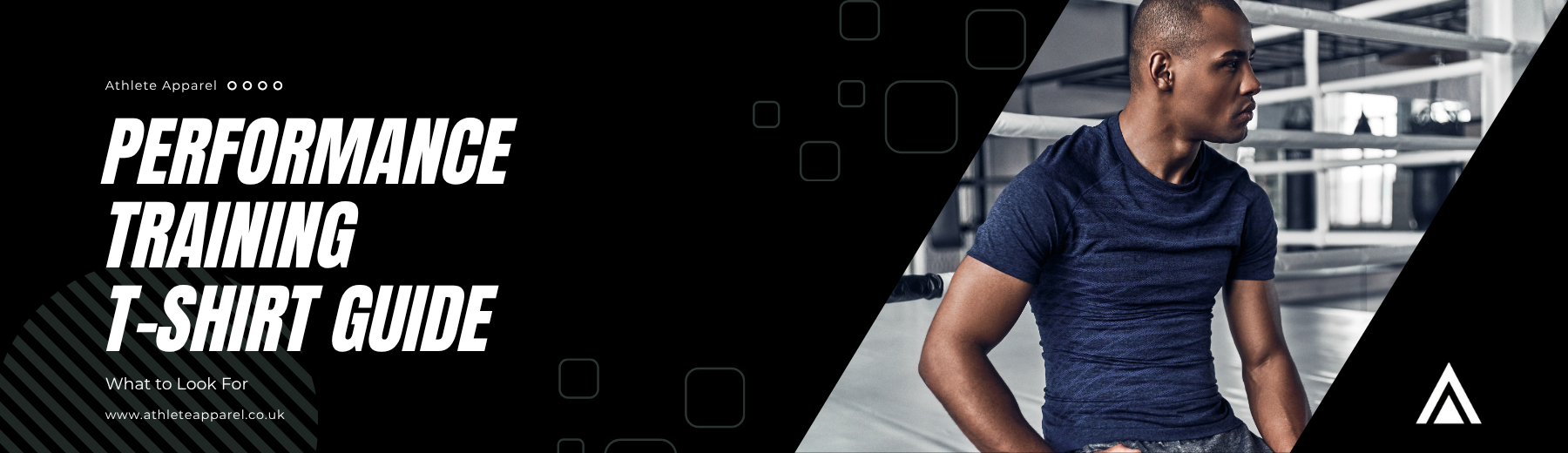
What to Look for in a Performance Training T-Shirt
Choosing the right performance training t shirt isn’t just about style — it directly impacts how you train, move and perform. Most people pick a gym t-shirt based on looks. But when your workouts involve sweat, movement and intensity, the wrong choice can slow you down. This gym t-shirt buying guide breaks down exactly what to look for, so you can choose gear that supports your performance — not works against it. Why Your Gym T-Shirt Matters More Than You Think A poor-quality t-shirt can lead to: Sweat retention and discomfort Restricted movement Overheating during workouts Faster fatigue The right performance gym wear for men is designed to solve these problems through fabric, fit and construction. 1. Breathability: Stay Cool Under Pressure The first thing to look for in a performance training t shirt is breathability. During intense workouts, your body generates heat quickly. If your t-shirt traps that heat, your performance drops. Look for: Mesh panels Lightweight fabric Airflow-friendly design This is why breathable gym clothing is essential for: HIIT sessions Cardio training Racket sports 2. Moisture-Wicking Fabric: Sweat Control Matters Sweat is inevitable. The problem is how your clothing handles it. Avoid cotton — it absorbs sweat and becomes heavy. Instead, choose fabrics that: Wick moisture away from your skin Dry quickly Keep you comfortable This is critical if you're looking for the best t shirt for intense workouts. 3. Fit & Movement: Don’t Restrict Performance Your t-shirt should move with your body — not against it. Look for: Athletic fit (not too loose, not too tight) Shoulder flexibility Stretch fabric High-quality stretch gym t shirts allow full range of motion for: Lifting Sprinting Rotational movements (tennis, functional training) 4. Lightweight Design: Train Without Distraction Heavy clothing becomes a burden during long sessions. The best lightweight workout tops: Feel almost weightless Reduce friction Improve endurance If you train regularly, this makes a noticeable difference. 5. Durability: Built for Repeated Training A good performance t-shirt should last. Look for: Strong stitching Shape retention after washing Fabric that doesn’t degrade quickly Cheap gym wear loses performance after a few washes. Best Performance Training T-Shirts for Men If you’re serious about training, here are two strong options designed for performance: AA-01 Black Performance Top This t-shirt is designed for athletes who demand: Breathable construction for airflow Moisture-wicking fabric for sweat control Lightweight feel for long sessions Athletic fit for unrestricted movement Ideal for: Strength training HIIT workouts High-intensity sessions Explore: AA-01 Black Performance Top AA-01 Blue Performance Top Built with performance in mind, this option offers: Lightweight fabric for comfort Stretch for dynamic movement Breathability for intense workouts Perfect for: Cardio training Functional workouts Racket sports Explore: AA-01 Blue Performance Top Common Mistakes to Avoid When Buying Gym T-Shirts Most people make these mistakes: Choosing cotton for intense workouts Ignoring fabric composition Buying oversized heavy t-shirts Prioritising style over performance If your goal is better performance, your clothing must support it. Final Thoughts A performance training t shirt is not just gym wear — it’s a tool that supports your training. By focusing on: Breathability Moisture control Fit and flexibility Lightweight construction You can significantly improve your comfort and performance during workouts. Choose smart — train better. FAQ 1. What is a performance training t shirt? A performance training t shirt is designed using technical fabrics that improve breathability, wick moisture and allow better movement during workouts. Unlike regular t-shirts, they support intense training conditions. 2. What should I look for in a gym t-shirt? You should look for breathability, moisture-wicking fabric, lightweight construction and stretch. These features ensure comfort and performance during workouts. 3. What is the best t shirt for intense workouts? The best t shirt for intense workouts is made from lightweight, moisture-wicking materials such as polyester blends. It should also offer stretch and breathability for better movement and comfort. 4. Are cotton t-shirts good for gym training? Cotton t-shirts are not ideal for intense training because they absorb sweat and become heavy. Performance fabrics are a better option as they keep you dry and comfortable. 5. How do I choose performance gym wear? To choose performance gym wear, focus on fabric quality, breathability, fit and flexibility. Always prioritise functionality over style for better training results.
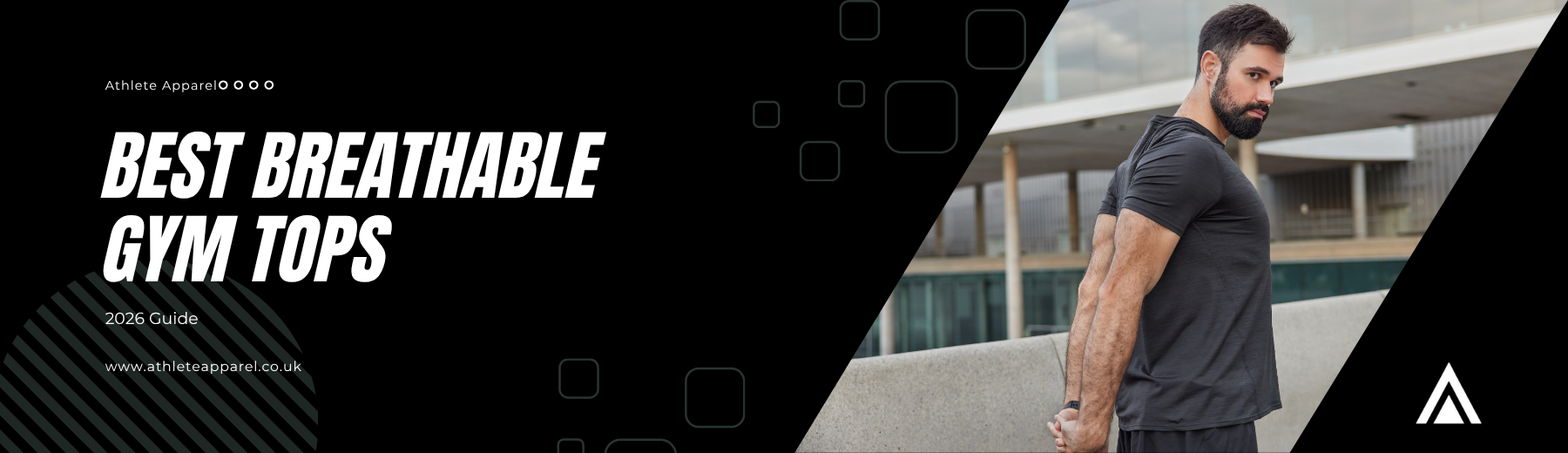
Best Breathable Gym Tops for Men (UK Guide 2026)
When it comes to intense training, your clothing can either support your performance or slow you down. Choosing the right breathable gym tops for men is not just about comfort — it directly affects how you perform, how long you can train, and how your body handles heat and sweat. If you’ve ever trained in a heavy cotton t-shirt and felt drenched within minutes, you already know the problem. This guide breaks down: What makes a gym top breathable The best fabrics for training What to avoid And which options actually work for serious workouts Why Breathability Matters in Gym Wear During intense workouts, your body temperature rises quickly. If your clothing traps heat and sweat, it leads to: Discomfort and irritation Reduced performance Heavier, soaked clothing Faster fatigue This is why breathable gym t shirts UK athletes prefer are made using technical fabrics designed to regulate airflow and manage moisture. What Is the Best Fabric for Gym Tops? Not all fabrics are built for training. Cotton (Avoid for intense workouts) Absorbs sweat and holds moisture Becomes heavy and uncomfortable Poor airflow Performance Fabrics (Best Choice) Polyester blends Elastane mix for stretch Mesh panel construction These materials are used in breathable workout shirts for sweating because they: Wick moisture away from the skin Dry quickly Allow airflow Maintain shape during movement Key Features to Look for in Breathable Gym Tops If you're searching for the best breathable gym tops for men UK, focus on these features: 1. Moisture-Wicking Technology Look for sweat wicking gym shirts that pull sweat away from your body instead of absorbing it. 2. Lightweight Construction Heavy fabrics kill performance. Choose lightweight gym tops for men that feel almost weightless during movement. 3. Stretch & Mobility For exercises like: Shoulder presses Tennis swings HIIT workouts You need 4-way stretch fabric that doesn’t restrict movement. 4. Breathability Zones High-quality tops include: Mesh panels Ventilation zones These improve airflow and reduce overheating. Best Gym Tops for Intense Training (UK) When training at high intensity, your clothing must handle: Sweat Movement Heat Here are two strong options designed for performance: AA-01 Black Performance Top Designed for serious training sessions, this top focuses on: Moisture-wicking fabric to keep you dry Lightweight construction for long workouts Athletic fit for unrestricted movement Ideal for: Strength training HIIT Racket sports AA-01 Blue Performance Top Built with the same performance-focused design, this option offers: Breathable fabric for airflow Stretch material for dynamic movement Lightweight feel for extended sessions Perfect for: Cardio workouts Functional training High-sweat environments Breathable Gym Wear for Hot Weather Training in warmer conditions? Your clothing matters even more. Choose: Ultra-light fabrics Sweat-wicking materials Minimal layering Avoid: Thick cotton Heavy oversized t-shirts The right gym wear for hot weather keeps your body temperature under control and improves endurance. Common Mistakes to Avoid Let’s be clear — most people get this wrong. Wearing cotton for intense workouts Choosing style over performance Ignoring fabric composition Buying oversized heavy t-shirts If your training is serious, your clothing should be too. Final Thoughts The difference between an average workout and a high-performance session often comes down to small details — and your clothing is one of them. Investing in breathable gym tops for men ensures: Better comfort Improved performance Longer training sessions Reduced fatigue If you're training hard, your gear should support you — not hold you back. FAQ 1. What are the best breathable gym tops for men? The best breathable gym tops for men are made from moisture-wicking performance fabrics such as polyester blends with elastane. These materials help pull sweat away from the skin, dry quickly and allow airflow, making them ideal for intense training sessions. Lightweight construction and stretch are also key factors to consider. 2. What is the best fabric for gym tops? The best fabric for gym tops is a technical performance blend, typically polyester combined with elastane. Unlike cotton, these fabrics are designed to wick moisture, improve breathability and maintain comfort during high-sweat workouts. They are commonly used in breathable workout shirts for sweating and intense training. 3. Are cotton t-shirts good for gym workouts? Cotton t-shirts are not ideal for intense workouts. While they may feel comfortable initially, cotton absorbs sweat and becomes heavy, reducing breathability and performance. For better results, it is recommended to choose breathable gym t shirts UK made with moisture-wicking materials. 4. How do I choose the right gym top for intense training? To choose the right gym top for intense training, look for: Moisture-wicking fabric Lightweight design Stretch for full movement Breathability for airflow These features ensure comfort, flexibility and performance during high-intensity workouts such as HIIT, strength training or racket sports. 5. What should I wear for gym workouts in hot weather? For hot weather workouts, choose lightweight training t shirts made from breathable and sweat-wicking fabrics. Avoid heavy or thick materials like cotton, as they trap heat and moisture. Breathable gym wear helps regulate body temperature and improves overall workout performance.

Best Gym Outfit for Men: Training, Comfort & Style Explained
Finding the best gym outfit for men isn’t about copying what looks good on social media. It’s about choosing clothing that supports how you actually train, stays comfortable across repeated sessions, and still looks put-together when you’re in and out of the gym. This guide is written for men who train regularly and want practical clarity on what works, what doesn’t, and why it matters. When your outfit fits properly and performs well, it removes friction from training and helps you stay consistent. What Makes a Gym Outfit “Best” for Regular Training? The best gym outfit balances three things: Training performance – unrestricted movement and breathability Comfort – no constant adjusting, overheating, or irritation Style control – clean, intentional fits that don’t look sloppy Most poor choices fail because they prioritise one of these at the expense of the others. Performance without comfort is distracting. Comfort without structure looks careless. The goal is a system that works session after session. Core Pieces of the Best Gym Outfit for Men Gym Top: The Foundation of Performance Your gym top does the most work. A well-chosen training top should: Follow the body without clinging Allow full shoulder and arm movement Manage sweat effectively Athletic-fit tops sit close enough to avoid excess fabric but leave space through the chest and shoulders. Avoid heavy cotton blends. They absorb sweat, lose shape, and become uncomfortable quickly. Lightweight performance fabrics hold structure and dry faster, making them far more suitable for daily use. For most sessions, a reliable training t-shirt forms the base of the best gym outfit for daily workouts. Shorts or Joggers: Match Them to Your Training Gym Shorts for Versatility For most men, shorts are the most practical option. They suit strength training, conditioning, and mixed workouts. Key considerations: Length just above the knee for balance Stretch fabric that doesn’t pull during squats A secure waistband that stays in place Shorts that are too long restrict movement. Too short, and they become a distraction. Mid-length athletic cuts work best for most training styles. Joggers for Cooler Sessions Joggers are useful for warm-ups, lighter sessions, or colder gyms. They should taper towards the ankle to prevent interference with movement. Baggy joggers compromise both safety and performance. Layering: When Jackets and Trousers Make Sense Outer layers aren’t meant for heavy training, but they play an important role before and after sessions. A lightweight jacket or structured layer helps manage temperature without adding bulk. This is where coordinated performance sets come into play. Categories like AeroPulse Tracksuits offer structured layering options that work around training rather than during it, making transitions smoother without sacrificing comfort. Avoid heavy hoodies during workouts. They trap heat and restrict movement once intensity increases. Fit: The Hidden Difference Between Good and Bad Outfits Fit determines how effective your outfit actually is. The best gym outfit: Allows full range of motion Stays in place during dynamic movement Doesn’t need constant adjustment Tight doesn’t mean technical, and loose doesn’t mean comfortable. Athletic fit sits in the middle, supporting movement while keeping fabric controlled. If you’re constantly pulling at sleeves or waistbands, the fit is wrong—no matter how good it looks. Training Clothes for Men by Workout Type Strength Training Prioritise freedom through shoulders, hips, and thighs. Clothing should stretch and recover without resistance at the bottom of lifts. Conditioning and HIIT Lightweight fabrics and minimal bulk matter most. Breathability and moisture control become more important than structure. Mixed Training This is where a balanced outfit excels. Athletic-fit tops and versatile shorts adapt across movements without outfit changes. Style Without Compromising Performance Style in the gym isn’t about logos or trends. It’s about consistency and clean lines. Neutral colours, structured fits, and purposeful design create an outfit that looks intentional without trying too hard. A well-fitted training t-shirt paired with streamlined shorts or joggers will always look better than an overdesigned outfit that underperforms. Common Mistakes That Ruin a Good Gym Outfit Wearing casual clothes disguised as gym wear Prioritising appearance over movement Ignoring fabric durability for daily training Over-layering during workouts These mistakes don’t just affect comfort—they quietly undermine training quality. How to Build the Best Gym Outfit Without Overbuying You don’t need endless options. A small, reliable rotation works better: 2–3 performance gym tops 2 pairs of training shorts 1 pair of tapered joggers 1 lightweight outer layer This setup covers most training scenarios and reduces decision fatigue. Conclusion The best gym outfit for men is one that supports training first, stays comfortable over time, and maintains a clean, controlled look. Focus on fit, fabric, and function rather than trends. Build a simple system that works across your routine, and add structured layers like AeroPulse Tracksuits where they genuinely improve comfort outside the workout. When your outfit works with you instead of against you, training becomes more consistent and more effective.

How Should Gym Clothes Fit? A Men’s Training Guide
If you’ve ever wondered how should gym clothes fit men who train regularly, this guide is for you. It’s written for men who care about performance, not trends, and want gym wear that supports movement rather than restricting it. Fit matters because clothing that’s too tight, too loose, or poorly shaped directly affects comfort, range of motion, temperature control, and focus. Get the fit wrong, and you’re constantly adjusting your kit instead of training properly. This article explains what good fit actually looks like, why “athletic fit” exists, and how to choose gym clothes that work across different training styles without overthinking it. Why Fit Is a Performance Issue, Not a Style Choice Most men treat gym fit as an aesthetic decision. That’s a mistake. Fit affects: How freely your joints move How well your clothes manage sweat and heat Whether fabric bunches, pulls, or distracts you mid-set The goal isn’t to look bigger or leaner. The goal is to remove friction from training. That’s where athletic fit gym wear earns its place. Should Gym Clothes Be Tight or Loose? This is one of the most common questions men ask: should gym clothes be tight or loose? The honest answer is neither. Why Tight Doesn’t Equal Performance Ultra-tight clothing restricts airflow, exaggerates sweat build-up, and limits natural movement. Unless you’re wearing purpose-built compression gear for a specific reason, tight gym clothes usually create more problems than they solve. Why Loose Isn’t Better Baggy tops and bottoms might feel comfortable initially, but they: Catch during lifts Hide poor movement patterns Create unnecessary drag during cardio Loose clothing also shifts constantly, forcing you to adjust mid-exercise. The Middle Ground: Athletic Fit Athletic fit sits close to the body without clinging. It allows space where movement demands it (shoulders, chest, thighs) and tapers where excess fabric causes issues (waist, cuffs, ankles). How Gym Tops Should Fit Shoulders and Chest A well-fitted gym top should follow your shoulder line without pulling when you raise your arms. If seams lift or the fabric tightens across the chest during presses, it’s too small. Arms and Sleeves Sleeves should sit naturally around the upper arm without cutting in. Overly tight sleeves restrict circulation and movement, while loose sleeves flap and distract. Length and Hem The hem should sit just below the waist and stay in place during overhead movements. Tops that ride up or stretch out quickly become a distraction. An athletic training t-shirt designed for regular use will hold its shape and move with you rather than against you. How Gym Bottoms Should Fit Shorts Gym shorts should allow full hip and knee movement without excess fabric. Key points: Length around mid-thigh to just above the knee No pulling during squats or lunges Waistband stays secure under load Joggers Joggers should taper from the thigh to the ankle. Baggy legs interfere with movement and safety, especially around equipment. A well-cut pair of tapered training joggers supports movement while keeping fabric controlled. Fit by Training Style Strength Training Prioritise freedom through the shoulders, hips, and thighs. Clothing should stretch and recover without feeling restrictive at the bottom of lifts. Conditioning and HIIT Breathability and minimal bulk matter most. Excess fabric traps heat and slows movement. Mixed Training This is where athletic fit shines. It adapts across different movement patterns without needing outfit changes. Fit vs Fabric: Why You Need Both Fit alone isn’t enough. Poor fabric ruins good fit quickly. Performance gym wear should: Wick sweat efficiently Dry quickly between sessions Retain shape after repeated washing A well-fitted garment made from the wrong fabric will still fail under daily training demands. Layering and Fit Outside the Workout Warm-ups, cool-downs, and commuting require different considerations. Outer layers should fit cleanly over training gear without restricting movement. Structured performance layers, such as those found in AeroPulse Tracksuits, are designed for this exact purpose—supporting training routines without compromising comfort or mobility. Trying to size up casual clothing for gym use usually leads to poor results. Common Fit Mistakes Men Make Sizing down to “look leaner” Assuming tight equals technical Wearing worn-out clothes that no longer hold shape Ignoring how clothing behaves during movement These mistakes accumulate and quietly reduce training quality over time. How to Build a Reliable Fit System You don’t need endless options. Focus on: Consistent fits you trust Fabrics that survive frequent training A small rotation that covers most sessions For example, pairing an athletic-fit training t-shirt with tapered gym bottoms covers the majority of workouts without compromise. Conclusion Understanding how should gym clothes fit men comes down to function, not fashion. The right fit supports movement, manages heat, and stays out of your way while you train. Athletic fit gym wear offers the balance most men need—neither tight nor loose, just practical. As your training setup expands beyond the workout itself, structured performance layers like AeroPulse Tracksuits fit naturally into a system built around consistency and performance.

Gym Jacket vs Hoodie: What’s Better for Training?
Choosing between a gym jacket and a hoodie might seem trivial, but for men who train regularly, it’s a decision that affects comfort, movement, and training quality. This article breaks down the gym jacket vs hoodie debate from a performance-first perspective. It’s written for men who train consistently, care about how their kit performs under load, and want clothing that supports training rather than getting in the way. The difference matters because the wrong layer can restrict movement, trap heat, or simply become a distraction mid-session. The Role of Outer Layers in Training Before comparing the two, it’s important to define when outer layers are actually useful. Jackets and hoodies are rarely meant to be worn for an entire workout. Their main purpose is temperature control before, after, or between sessions. Used correctly, they help you: Stay warm during warm-ups Prevent heat loss post-training Manage changing gym or outdoor conditions Used incorrectly, they reduce mobility and cause overheating. Gym Jacket for Training: Purpose and Performance A gym jacket for training is designed with movement in mind. It’s typically lighter, more structured, and easier to remove mid-session. Advantages of a Gym Jacket Freedom of movementMost training jackets are cut to allow shoulder rotation and arm extension. Zipped fronts mean you can regulate airflow instantly without pulling anything over your head. Temperature controlLightweight jackets warm you up without trapping excessive heat. This makes them ideal for warm-ups, outdoor sessions, or commuting to the gym. Practical layeringA jacket layers cleanly over a t-shirt and comes off quickly once you’re warm. This matters when transitioning between exercises or environments. Limitations Gym jackets are not designed to provide heavy insulation. If you train outdoors in very cold conditions, you may need to layer with something warmer. Hoodie: Comfort-Focused, Not Always Training-Ready The question is a hoodie good for gym workouts depends entirely on how and when it’s used. When a Hoodie Works Warm-up and recoveryHoodies excel before and after training. They retain heat well and feel comfortable during low-intensity movement. Casual gym environmentsFor light sessions or rest days, a hoodie offers comfort without needing multiple layers. Where Hoodies Fall Short Restricted movementPull-over designs limit ventilation, and hoods add unnecessary bulk around the neck and shoulders. During compound lifts, this becomes noticeable. Poor heat regulationOnce you start sweating, hoodies trap heat. This leads to discomfort and frequent adjustments. Slower transitionsRemoving a hoodie mid-session disrupts flow. Jackets avoid this problem entirely. Gym Jacket vs Hoodie: Direct Comparison Mobility Gym jackets win. Zips, lighter fabrics, and structured cuts allow better movement during dynamic warm-ups and transitions. Breathability Jackets offer better airflow control. Hoodies are either on or off—there’s no middle ground. Versatility Jackets adapt better across seasons and training styles. Hoodies are more situational. Comfort Hoodies feel softer and more relaxed, but comfort doesn’t equal performance. For training efficiency, jackets are usually the better choice. Matching the Layer to Your Training Style Strength Training Use a jacket during warm-ups, then remove it. Hoodies often interfere with bar placement and shoulder movement. Conditioning or Outdoor Training A lightweight jacket provides warmth without overheating. Hoodies become uncomfortable quickly once intensity increases. Recovery and Rest Days This is where hoodies shine. They’re ideal for low-movement periods and casual wear. How Structured Sets Fit Into the Picture Outer layers don’t exist in isolation. They should complement the rest of your training kit. Structured performance sets, such as those found in AeroPulse Tracksuits, provide cohesive layering that works before and after training without clashing with your core workout clothing. Trying to use a hoodie as a do-it-all solution usually leads to compromise. Purpose-built layers reduce friction and keep training efficient. Common Mistakes Men Make Training full sessions in heavy hoodies Choosing layers based on looks instead of function Ignoring how quickly heat builds during compound movements Wearing bulky outerwear that restricts shoulder mobility These mistakes don’t just affect comfort—they reduce training quality. Which Should You Choose? If your priority is performance, flexibility, and ease of use, a gym jacket is the smarter option. If comfort and warmth outside of training matter more, a hoodie still has a place—but it shouldn’t be your default training layer. The decision isn’t about style. It’s about choosing the right tool for the job. Conclusion In the gym jacket vs hoodie debate, the better option depends on how you train and when you plan to wear it. For active sessions, warm-ups, and transitions, a gym jacket offers superior movement and temperature control. Hoodies work best before and after training, not during it. Building your kit around purpose-driven layers—and supporting them with structured options like AeroPulse Tracksuits—keeps training efficient, comfortable, and distraction-free.

What to Wear to the Gym: A Simple Guide for Men
If you’re unsure what to wear to the gym men should prioritise for regular training, this guide is for you. It’s written for men who train consistently and want gym wear that supports performance rather than distracting from it. Clothing choices matter more than most people admit—poor fit, wrong fabrics, or impractical layers can limit movement, increase discomfort, and reduce training quality over time. This article explains gym wear for men in simple, practical terms so you can build a reliable setup that works session after session. Start With the Purpose: Training Comes First Before choosing outfits, be clear on how you train. Strength work, conditioning, and mixed sessions all place different demands on clothing. The best gym outfit isn’t the flashiest—it’s the one that stays out of the way while you move. For beginners especially, the best gym outfit for beginners is simple: a breathable top, functional shorts or joggers, supportive footwear, and minimal extras. Complexity adds zero value early on. Gym Tops: What Actually Works Fit: Athletic, Not Tight Your gym top should follow your body without clinging. Overly tight tops restrict airflow and exaggerate sweat patches; loose tops bunch up during lifts and cardio. An athletic fit allows room through the shoulders and chest while sitting cleanly around the waist. Fabric: Performance Over Comfort Illusions Soft cotton feels good initially but performs badly under sweat. For regular training, choose lightweight performance fabrics that: Wick moisture efficiently Dry quickly between sessions Hold shape after frequent washing A basic performance training t-shirt will outperform a fashion-led top every time. Sleeve and Neck Considerations Sleeves that sit mid-bicep avoid catching during presses and rows. A stable neckline matters more than branding—it stops constant adjustment mid-set. Bottoms: Shorts vs Joggers Gym Shorts for Most Sessions For most men, shorts are the most versatile option. They allow full hip and knee movement, regulate temperature better, and suit both strength and conditioning work. Key points: Length just above the knee balances mobility and coverage Lightweight stretch fabric improves comfort during compound lifts A secure waistband prevents slipping under load Joggers for Cooler Conditions Joggers work well for warm-ups, lighter sessions, or colder gyms. They should taper towards the ankle to avoid catching during movement. Baggy styles compromise both safety and performance. Footwear: Don’t Ignore the Obvious Shoes aren’t clothing, but they’re part of the outfit. Match footwear to training type: Flat, stable shoes for strength training Cushioned trainers for cardio and conditioning One-size-fits-all shoes usually mean compromised performance. Layering: When and How to Do It Properly Layering isn’t about style—it’s about temperature control. A lightweight zip layer works well before and after sessions, especially in colder months. This is where structured performance sets, such as AeroPulse Tracksuits, fit naturally into a training routine without interfering with movement during workouts. Avoid heavy layers during training. Overheating reduces performance faster than most people realise. Accessories: Keep It Minimal Daily training doesn’t require much: Socks that prevent slipping and blisters A simple cap or headband if needed A small towel Anything beyond that usually becomes a distraction. Common Mistakes Men Make With Gym Wear Choosing looks over movement Wearing worn-out tops that no longer manage sweat Training in clothes designed for casual wear Constantly changing fit styles instead of sticking to what works These mistakes add friction to training. Over time, friction kills consistency. Building a Practical Gym Wardrobe You don’t need a large wardrobe. A small rotation of reliable pieces is more effective: 2–3 performance gym tops 2 pairs of training shorts 1 pair of joggers 1 lightweight outer layer For example, pairing a breathable training t-shirt with structured gym shorts will cover most sessions without compromise. Add layers only when conditions demand it. Gym Wear for Beginners vs Regular Trainers Beginners should prioritise comfort and movement over optimisation. As training frequency increases, durability and performance become more important. Regular trainers benefit from investing in consistent fits and fabrics that support long-term use rather than constantly replacing worn-out gear. Conclusion Knowing what to wear to the gym men should focus on function, not fashion. The right gym wear supports movement, manages sweat, and stays reliable across repeated sessions. Start simple, prioritise fit and fabric, and build a rotation that matches how you train. As your routine expands beyond workouts, structured performance layers like AeroPulse Tracksuits naturally complement a practical gym wardrobe without overcomplicating it.

Men’s Gym Tops and Shorts: What to Wear for Daily Training
Training every day puts very different demands on your clothing than occasional gym sessions. This article breaks down men’s gym tops and shorts from a performance-first perspective—what actually works for daily workouts, who these choices are for, and why getting them right matters. If you train regularly, your kit needs to support movement, manage sweat, and hold up over time. Poor choices don’t just feel uncomfortable; they actively interfere with training quality and recovery. This guide is written for men who train consistently and want reliable, functional gym wear—without hype, gimmicks, or fashion-led distractions. Why Daily Training Requires Smarter Gym Clothing Choices Daily workouts mean repeated exposure to sweat, friction, stretching, and washing. That immediately rules out generic or fashion-first gym wear. The men’s gym t-shirt and men’s gym shorts you wear five or six times a week must prioritise durability, comfort, and performance consistency. The most common mistake is rotating between mismatched tops and shorts that weren’t designed for frequent use. Over time, this leads to: Loss of shape and fit Poor sweat management Skin irritation during longer sessions If you’re asking what gym clothes are best for daily workouts, the answer starts with purpose-built basics, not trend-driven pieces. Choosing the Right Men’s Gym T-Shirts for Daily Use Fit: Athletic, Not Restrictive A good gym top should follow your natural shape without clinging. Tight tops restrict airflow and exaggerate sweat patches, while loose fits flap during movement. An athletic fit allows shoulder and chest room while sitting cleanly around the waist. Avoid sizing down for aesthetics. Daily training prioritises function, not mirrors. Fabric: Sweat Management Comes First For daily sessions, breathability and moisture control matter more than softness. Look for lightweight performance fabrics that: Wick sweat efficiently Dry quickly between sessions Retain structure after repeated washes Heavy cotton blends may feel comfortable initially but break down fast under daily use. Over time, they trap moisture and lose shape, making them unsuitable for consistent training. Sleeve Length and Neckline Sleeve length affects mobility more than most men realise. Sleeves that sit mid-bicep avoid bunching during pressing movements, while a stable neckline prevents constant adjustment during training. Men’s Gym Shorts: Built for Movement, Not Just Comfort Length: Balance Mobility and Coverage For daily training, shorts that sit just above the knee strike the right balance. Shorter cuts increase freedom of movement, while overly long shorts restrict squats and lunges. Choose based on training style: Strength training: slightly structured shorts with stretch Conditioning or HIIT: lightweight, unrestricted designs Waistband and Stability A secure waistband matters more than branding or aesthetics. Poorly designed waistbands roll, slip, or dig in under load. Look for consistent tension that stays put through dynamic movements. Lining: Optional, Not Mandatory Built-in liners are a personal preference. For daily training, removable or liner-free designs allow better hygiene and flexibility across sessions. Matching Tops and Shorts for Training Efficiency Consistency matters when you train daily. Rotating between wildly different fits and fabrics creates unnecessary adjustment during workouts. Matching your men’s gym tops and shorts by weight and breathability improves comfort and reduces distraction. If you train across multiple disciplines, build a core rotation that handles most sessions and supplement only when needed. This approach mirrors how athletes layer performance wear—simple, repeatable, and reliable. Daily Training vs Hybrid Wear: Know the Difference Some gym wear crosses over into casual use, but not all of it should. Training-first tops and shorts are designed for performance, not sitting around all day. If you’re looking for versatile layering options outside the gym, structured performance sets like AeroPulse Tracksuits often make more sense for rest days and travel, while keeping your training kit dedicated to workouts. Trying to force one outfit to do everything usually leads to compromise on both performance and durability. Common Mistakes That Undermine Daily Training Wearing the same top two days in a row without full drying Choosing shorts based on appearance, not movement Ignoring fabric breakdown after repeated washing Mixing training intensities without adjusting kit choice These errors seem minor but compound quickly when training volume increases. How to Build a Practical Rotation Without Overbuying You don’t need dozens of options. A small, well-chosen rotation of performance gym tops and shorts will outperform a wardrobe full of average gear. Start with a few dependable combinations that suit your main training style, then add variations only if your sessions demand it. For example, a lightweight performance gym t-shirt paired with structured training shorts will cover most daily workouts without distraction. Conclusion Daily training demands more from your clothing than occasional gym sessions. The right men’s gym tops and shorts support movement, manage sweat, and maintain comfort over time. Focus on fit, fabric, and function—not trends—and you’ll build a training kit that works as hard as you do. For broader performance layering beyond workouts, exploring structured categories like AeroPulse Tracksuits provides a logical next step without overcomplicating your setup.

Men’s Gym Tracksuits: How to Choose the Right Fit for Training & Daily Wear
Choosing the right men’s gym tracksuits isn’t about style trends or logos. It’s about fit, function, and how well the tracksuit supports the way you actually train and live. This guide is written for men who train regularly, care about performance, and want a tracksuit that works just as well in the gym as it does outside it. If you get this decision wrong, you end up with restrictive fits, poor breathability, or something that looks sloppy the moment you leave the gym. Get it right, and you have a reliable daily layer that earns its place in your rotation. Why Fit Matters More Than You Think Fit isn’t just aesthetic. In training, fit affects movement, comfort, and temperature regulation. For daily wear, it determines whether a tracksuit looks intentional or lazy. Most men make one of two mistakes: Buying too tight, mistaking compression for performance Buying too loose, sacrificing mobility and shape An athletic fit tracksuit men prefer usually follows the body’s natural lines without clinging. You should be able to squat, stretch, and walk comfortably without excess fabric bunching or pulling. Understanding Different Fit Types in Men’s Performance Tracksuits Slim Fit Slim-fit tracksuits taper through the legs and arms. They suit leaner builds and lighter training sessions. However, if you lift heavy or have larger quads and glutes, slim fits can restrict movement and feel uncomfortable over time. Athletic Fit This is the sweet spot for most active men. Athletic fit allows room through the thighs and shoulders while tapering at the ankles and wrists. If you’re training regularly and want one tracksuit for both workouts and casual wear, this is usually the most practical choice. Relaxed Fit Relaxed fits prioritise comfort over performance. They work for recovery days or casual use but are rarely the best gym tracksuit for training if you care about movement efficiency and a clean silhouette. Fabric: The Difference Between Gym-Ready and Everyday Wear Fit without the right fabric is useless. High-quality men’s performance tracksuits focus on function first. Look for: Breathable materials to manage heat during training Moisture-wicking properties to stay dry during longer sessions Light stretch for unrestricted movement Avoid heavy cotton-heavy blends for training. They absorb sweat and lose shape quickly. For daily wear, lightweight performance fabrics still outperform traditional materials by maintaining structure and comfort throughout the day. A well-designed tracksuit for gym and daily wear balances technical performance with a clean finish that doesn’t scream “training kit” outside the gym. Tracksuit Design Details That Actually Matter Tapered Legs and Cuffed Ankles These keep fabric out of the way during training and give the tracksuit a sharper look for daily wear. Zip Pockets Not a luxury—essential. Secure pockets stop items shifting during movement and make the tracksuit usable outside the gym. Lightweight Layers Bulky layers restrict motion and overheat quickly. A streamlined jacket and breathable trousers offer better versatility across seasons. Matching the Tracksuit to Your Training Style Strength Training If you lift regularly, prioritise flexibility and room through the thighs and shoulders. An athletic fit with stretch fabric prevents resistance at the bottom of movements. Cardio and Conditioning Breathability and weight matter most. Lightweight fabrics and tapered designs reduce drag and heat buildup. Hybrid Training & Lifestyle Wear If your day includes both training and errands, choose a neutral design with performance fabric. This is where the AeroPulse Tracksuits category fits naturally, offering functional designs that don’t compromise everyday wearability. How to Avoid Common Buying Mistakes Don’t size down for a “leaner” look—movement matters more than appearance Don’t ignore leg length; bunching ruins both function and style Don’t assume all performance tracksuits are gym-ready—many prioritise looks over usability If you’re comparing options, focus on how the tracksuit behaves in motion, not just how it looks standing still. Choosing the Right Option Without Overthinking It A reliable pair of men’s gym tracksuits should support training, maintain comfort, and transition easily into daily life. If you’re exploring specific options, look for designs that clearly state their intended use and fabric composition. For example, an athletic performance zip tracksuit is typically better suited to mixed training than a fashion-led alternative. Final Thoughts The right tracksuit isn’t about hype—it’s about alignment with how you train and live. Prioritise fit, fabric, and functional design, and you’ll avoid wasting money on gear that looks good but underperforms. If you want a focused starting point, explore the AeroPulse Tracksuits category and compare designs based on movement, comfort, and versatility rather than surface-level style.